Has the Peak Peaked or Has Space Raced?
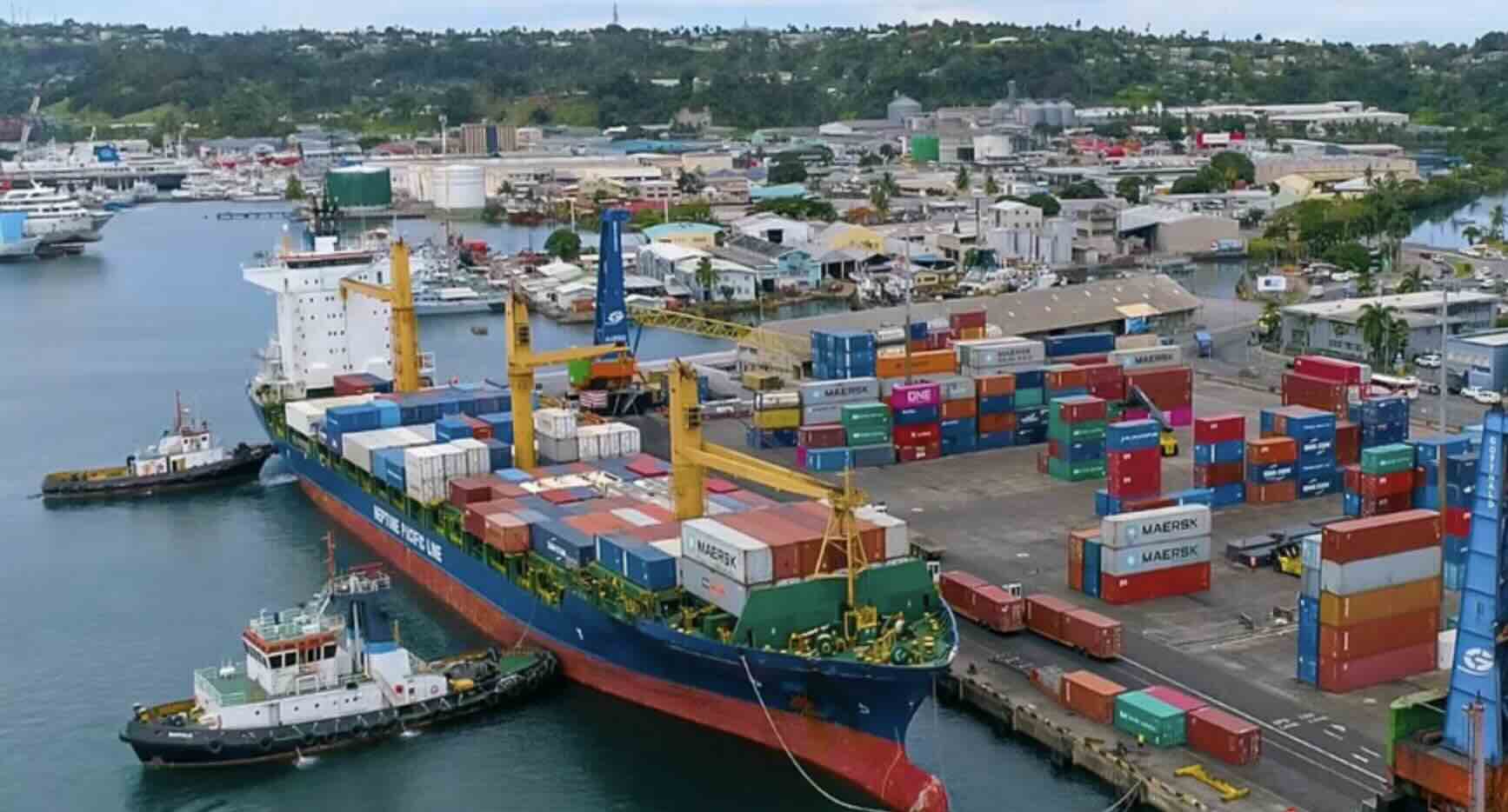
Table of content
1. Article summary
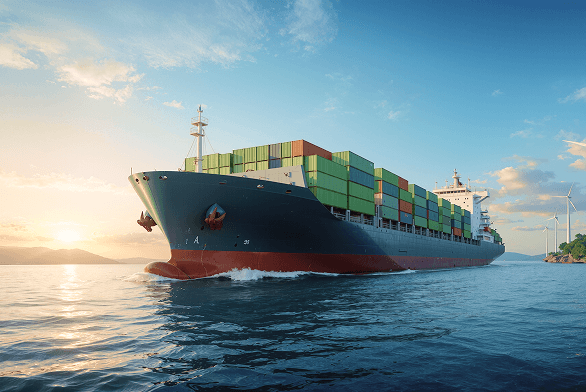
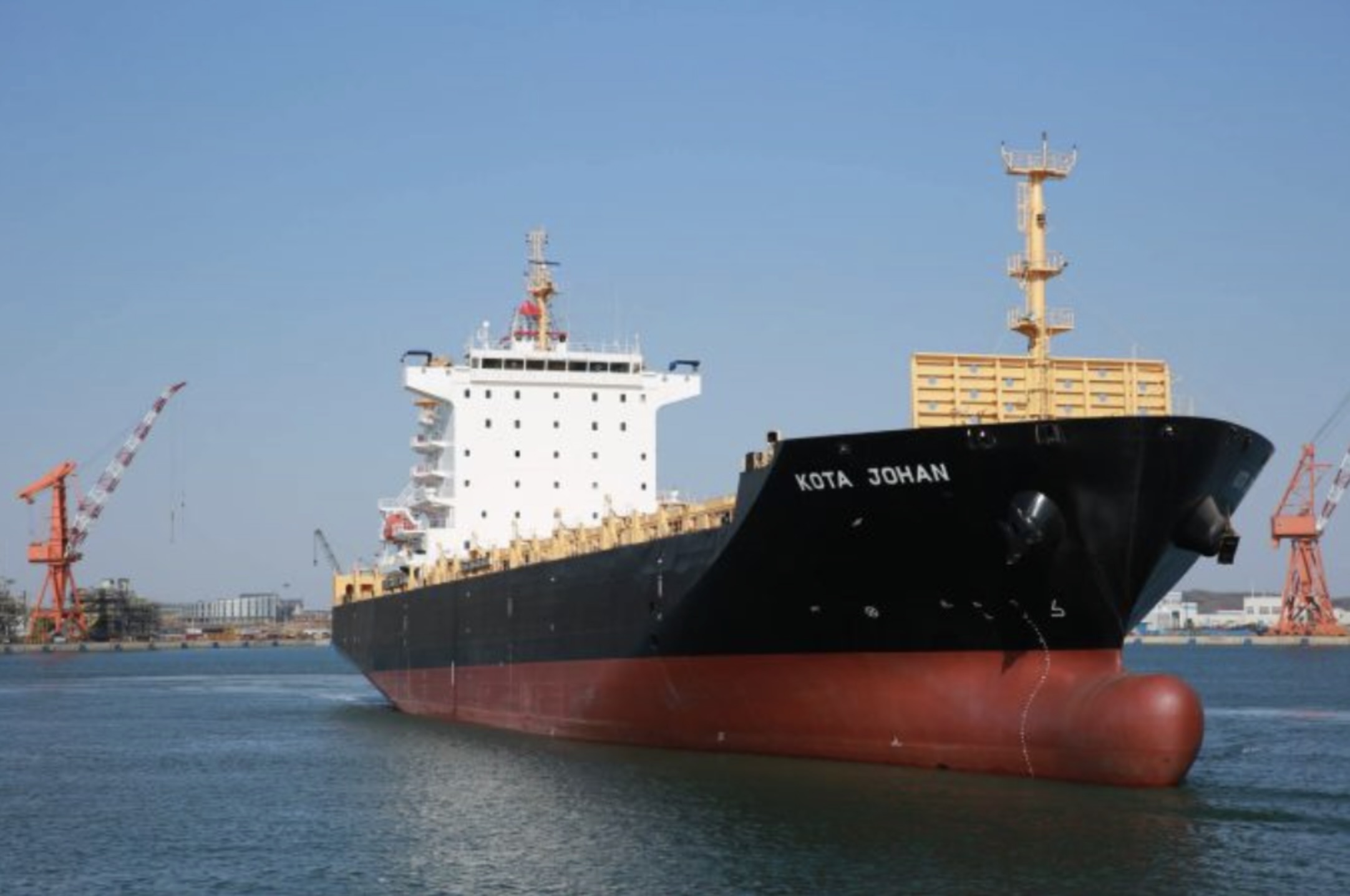
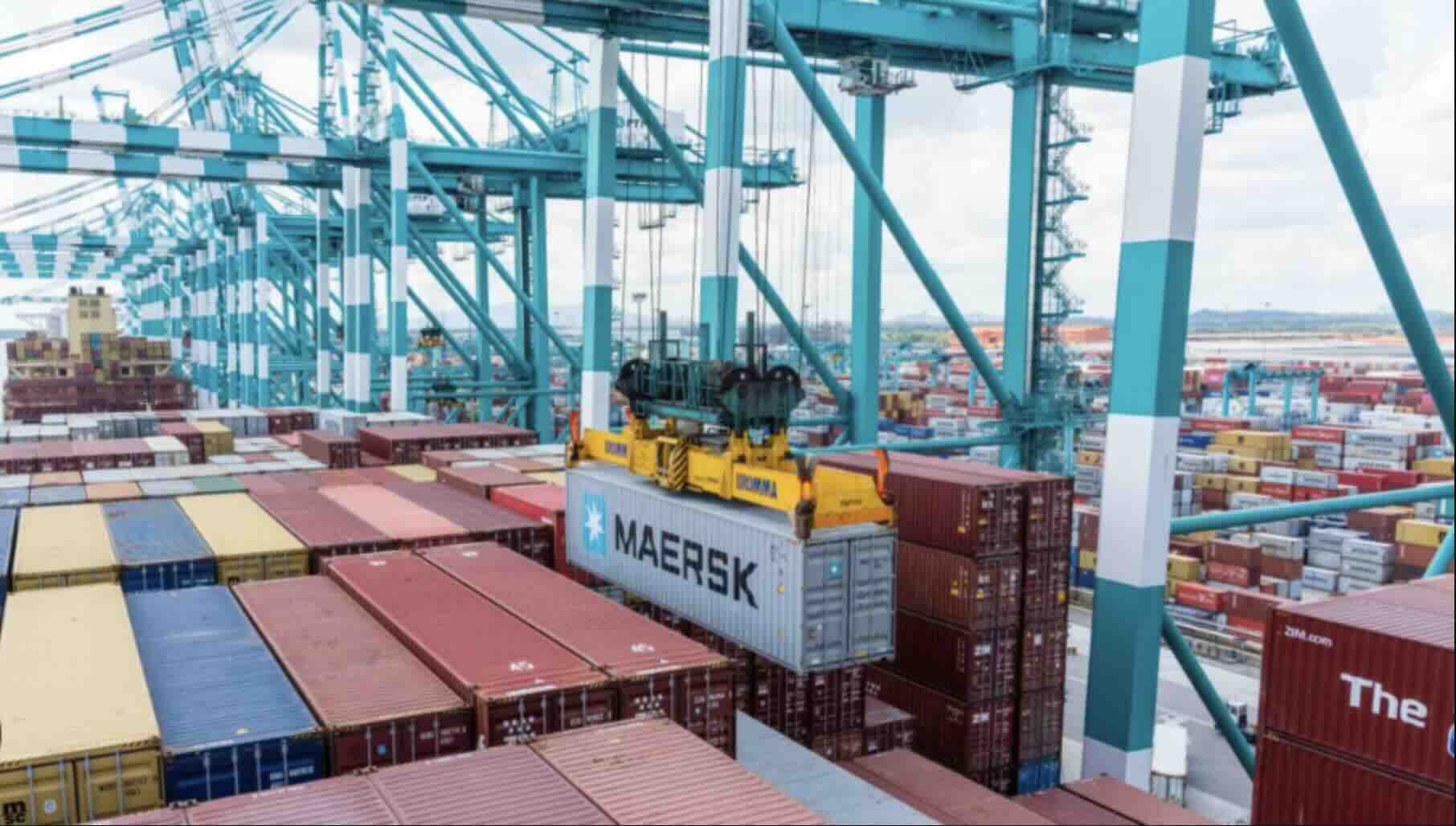
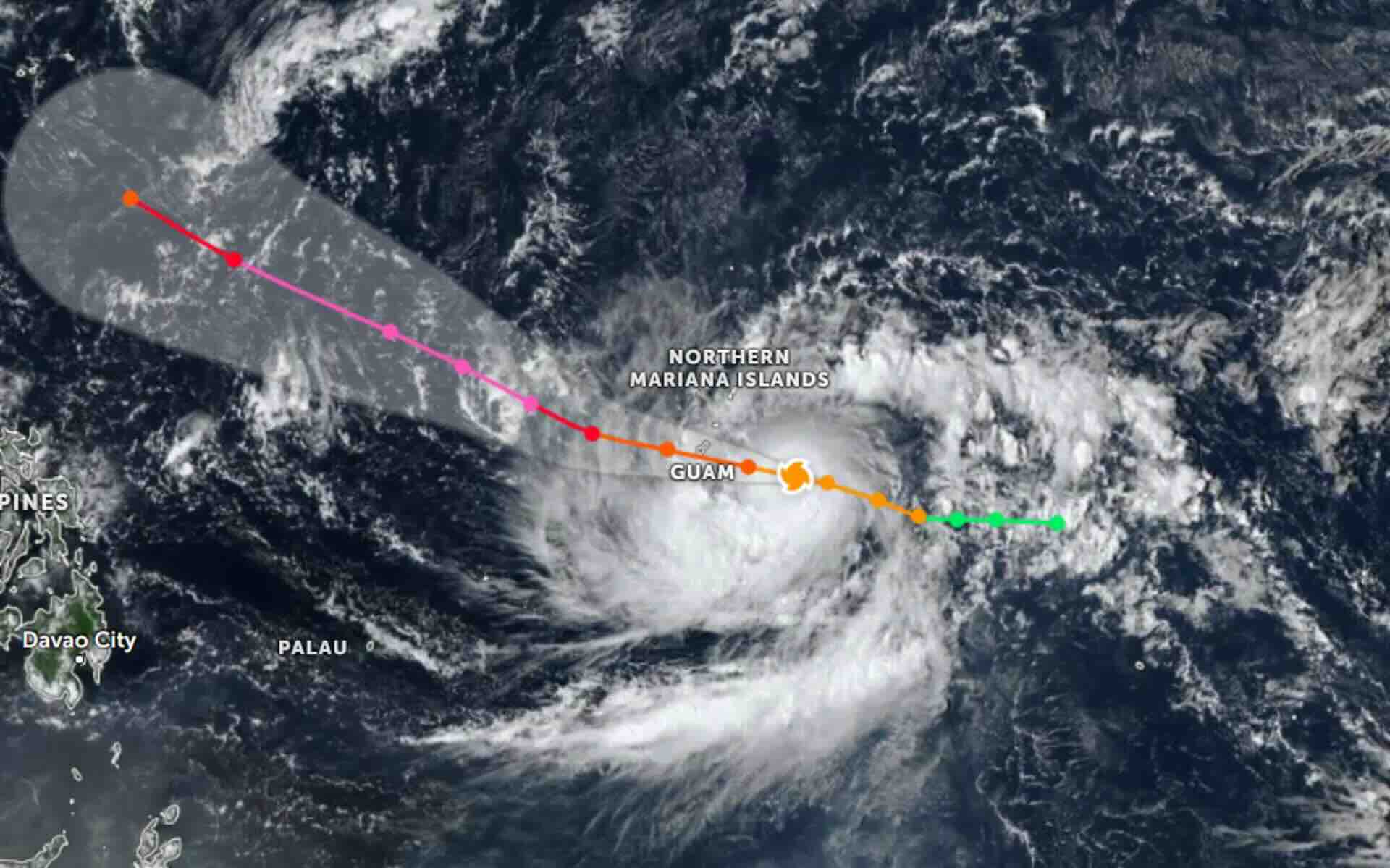
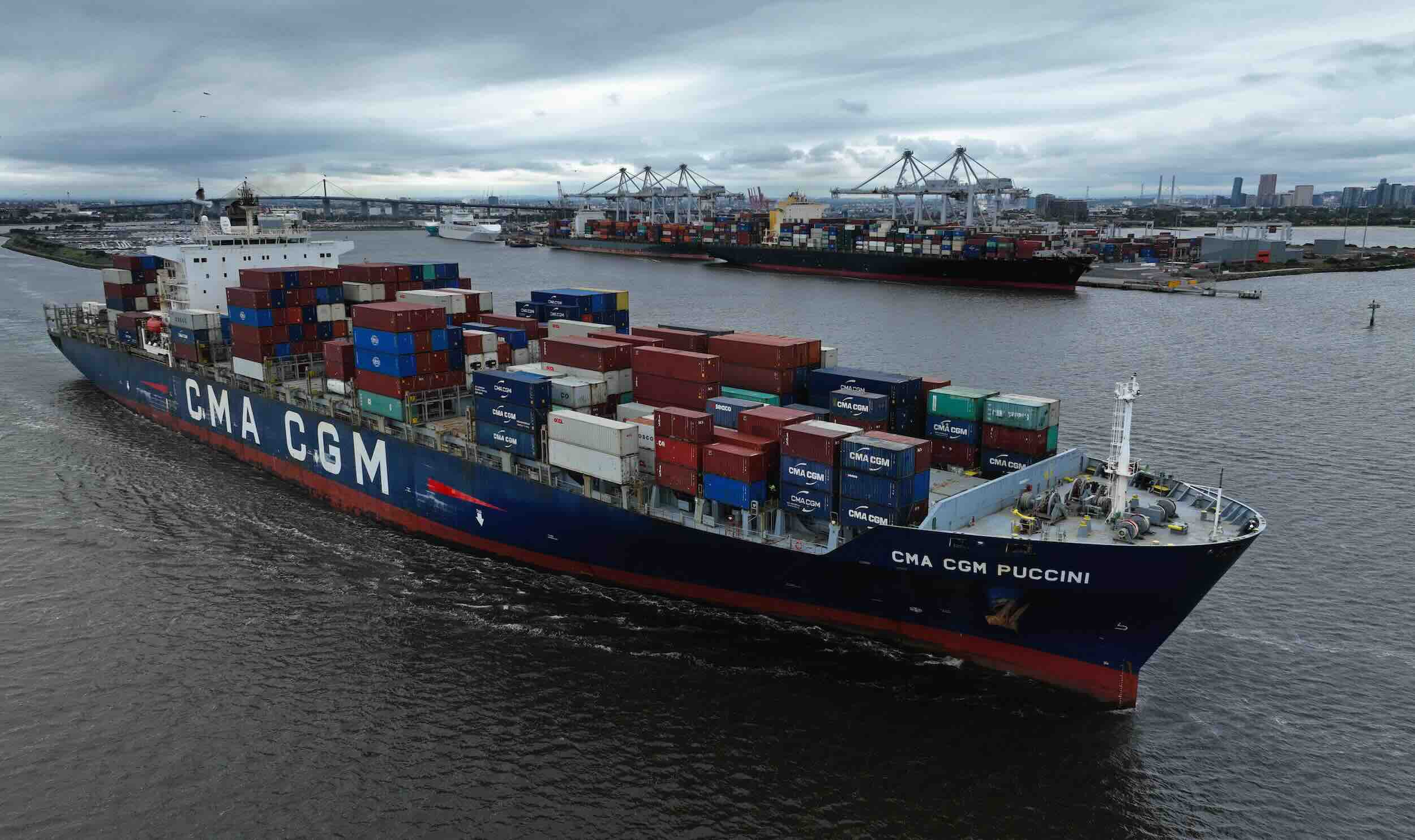
Freight rates on the China–Australia trade lane have begun to stabilise after several months of increases, however vessel space remains tight as strong demand continues to exceed available capacity. Carriers are reporting ongoing overbookings, cargo rollovers and limited booking availability through to late August, while weather disruptions continue to affect shipping schedules.
Additional services are expected to introduce more capacity to the market over the coming weeks, although carriers are also blanking some sailings and introducing new surcharges on selected trade lanes. For importers, securing vessel space is currently proving to be a greater challenge than freight rates themselves.
2. What shippers should consider
- Book shipments as early as possible, as vessel space remains limited on the China–Australia trade lane.
- Allow additional lead time to accommodate cargo rollovers and weather-related schedule changes.
- Monitor carrier surcharges and rate adjustments that may affect shipping costs.
- Stay in regular contact with logistics providers to secure capacity and respond to changing market conditions.
- This will also immediately impact surrounding regions such South East Asia.
3. Moving forward
While additional vessel capacity is expected to enter the market in the coming weeks, demand remains strong and shipping conditions are likely to remain tight in the short term. Businesses that plan ahead and maintain close visibility over their supply chains will be better positioned to minimise delays and secure available capacity.
For information specific to your freight, customs or supply chain requirements, reach out to United Carriers to discuss what this may mean for your situation.

.png)

.jpg)