Major Fleet-Wide Fuel Efficiency Agreement Signals Ongoing Focus on Shipping Performance and Decarbonisation
Table of content
1. Article Summary
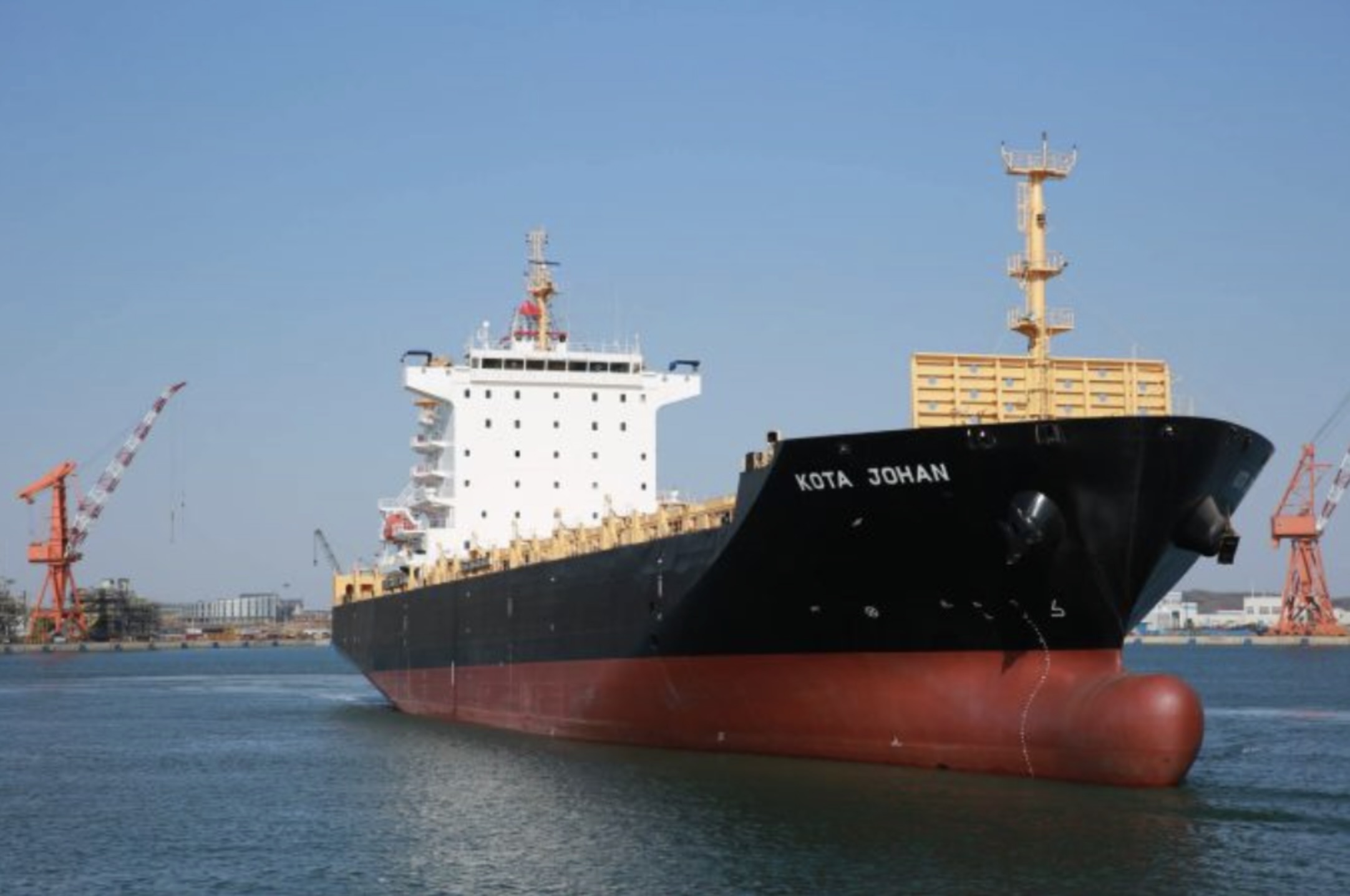
Eastern Pacific Shipping (EPS), one of the world's largest privately managed shipping companies, has signed a four-year supply agreement with Sulnox to expand the use of its fuel performance technology across a larger portion of the EPS fleet. The agreement will increase deployment from around 30 vessels to more than 50 vessels and follows more than two years of operational testing across container ships, tankers, bulk carriers and vehicle carriers.
According to the companies, the technology has delivered fuel efficiency improvements, reduced emissions and supported engine performance across multiple vessel types. The agreement reflects the broader industry focus on reducing fuel consumption, improving operational efficiency and supporting decarbonisation initiatives without requiring major vessel modifications.
2. What Shippers Should Consider
While this agreement is focused on vessel operations rather than freight services directly, it highlights several trends that may be relevant to importers and exporters:
- Carrier efficiency remains a priority. Shipping lines and vessel operators continue to invest in technologies that can improve fuel performance and reduce operating costs, particularly as environmental expectations increase.
- Sustainability initiatives are becoming more common. Shippers may see more carriers adopting fuel-saving technologies, alternative fuels and emissions-reduction programs as part of broader decarbonisation strategies.
- Operational reliability remains important. Technologies that support engine performance, fuel quality and vessel efficiency may contribute to more consistent vessel operations over time.
- Supply chain reporting requirements may continue to evolve. As customers increasingly request sustainability data from suppliers and logistics providers, businesses may wish to review how environmental performance is tracked across their supply chains.
- Long-term carrier partnerships can create stability. Investments in efficiency and fleet performance often signal a carrier's focus on maintaining competitiveness and supporting long-term operational planning.
3. Moving Forward
- The shipping industry is expected to continue investing in technologies that improve fuel efficiency and support emissions reduction goals.
- Carriers are likely to evaluate a mix of operational, technological and alternative fuel solutions as they work towards regulatory and sustainability targets.
- Shippers may benefit from maintaining visibility over carrier sustainability initiatives and understanding how these developments could influence future service offerings and supply chain performance.
For information specific to your freight, customs or supply chain requirements, reach out to United Carriers to discuss what this may mean for your situation.

.png)


.jpg)