US Announces New Tariffs on More Than 60 Trading Partners

Table of content
1. Article summary
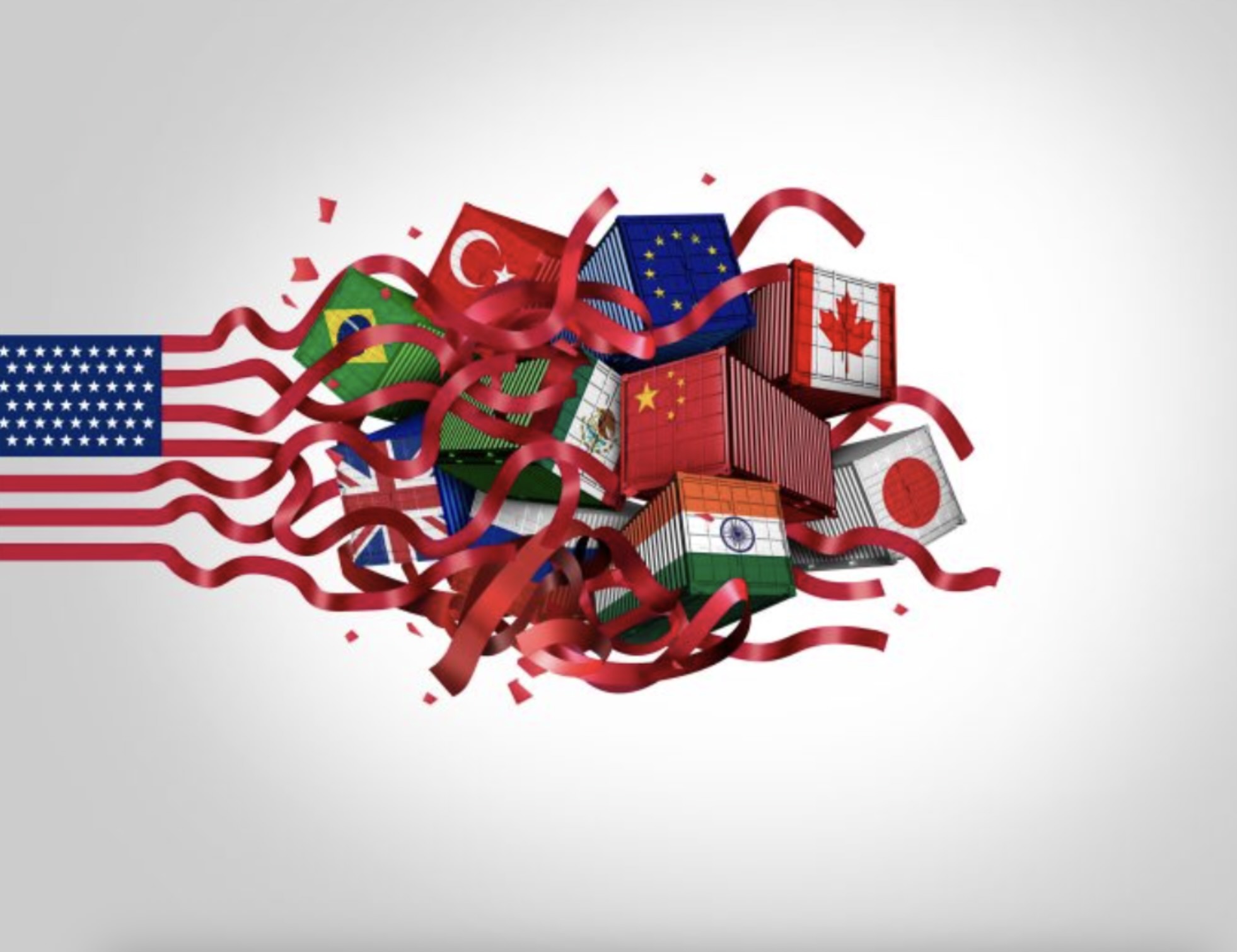
The United States has introduced a new round of tariffs on imports from 60 trading partners, replacing the temporary 10% tariff that expired on 24 July. Under the new policy, countries will face tariffs of either 10% or 12.5%, depending on the US Government's assessment of their efforts to prevent goods produced with forced labour from entering supply chains. Australia is among the countries subject to the higher 12.5% tariff.
The measures are expected to affect around 99% of US imports and have been introduced under Section 301 of the Trade Act of 1974. While the US Government says the policy is designed to strengthen global labour standards, the announcement has prompted concern from governments and businesses that higher import costs could disrupt trade, increase prices and create further uncertainty for international supply chains.
2. What shippers should consider
- Australian exporters supplying the US should review how the new tariffs may affect product pricing and competitiveness.
- Businesses with US customers may need to revisit contracts, pricing strategies and landed cost calculations.
- Importers and exporters should closely monitor any retaliatory trade measures or further policy changes that could impact global freight flows.
- Consider diversifying export markets where appropriate to reduce exposure to changing US trade policies.
- Work with your freight forwarder and customs advisor to understand the implications for shipments destined for the United States and identify opportunities to minimise disruption.
3. Moving forward
The latest US tariff announcement reinforces how quickly international trade policies can change and the importance of remaining agile in a dynamic global market. Businesses trading with the United States should monitor further developments, review their supply chain strategies and ensure they are prepared to respond to changing costs, compliance requirements and customer expectations.
For information specific to your freight, customs or supply chain requirements, reach out to United Carriers to discuss what this may mean for your situation.

.png)
.jpg)