
Cyclone Arnab Disrupts India's Transport Network as Severe Weather Threatens Ports, Airports and Rail Services
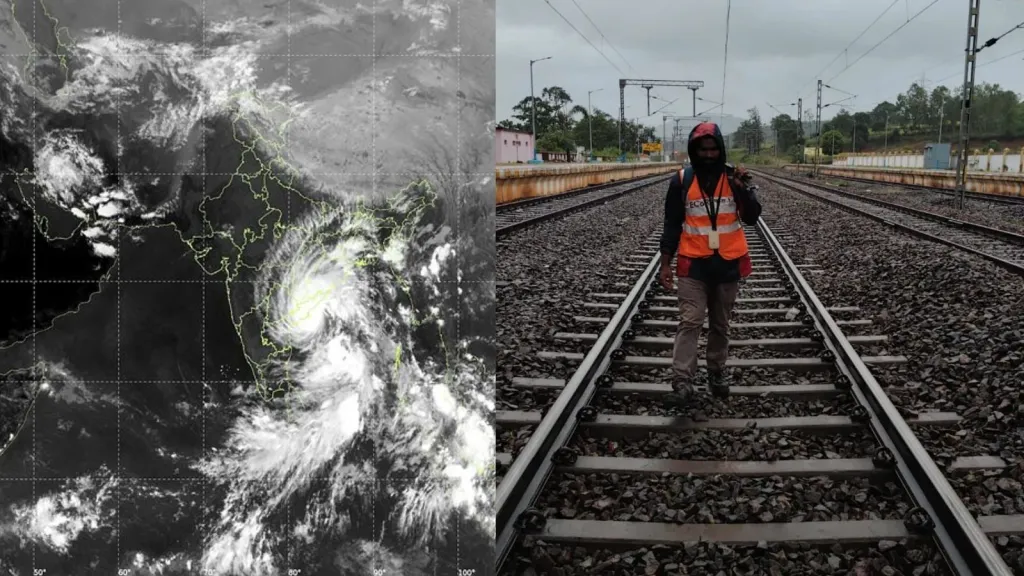
Table of content
1. Article summary
Very Severe Cyclonic Storm Arnab is impacting India's eastern coastline, bringing dangerous winds, heavy rainfall and widespread disruption to transport operations. The India Meteorological Department (IMD) forecast the cyclone to cross the Andhra Pradesh and Yanam coasts during the early hours of 28 October 2026, with sustained winds of 125–135 km/h and gusts reaching 150 km/h. The severe weather presents significant risks to maritime activities, aviation services and inland transport connections across the affected region.
India's aviation sector has already experienced considerable disruption, with flight operations suspended at Visakhapatnam, Vijayawada and Rajahmundry airports from 27 October. Air India, Air India Express, IndiGo and Akasa Air have reported cancellations, while additional delays may affect other airports depending on the cyclone's movement. Meanwhile, Indian Railways has cancelled 101 train services, rescheduled 15 and made further operational adjustments as a precautionary measure across affected routes, including services connecting Andhra Pradesh, Odisha and Telangana.
Maritime conditions across the Bay of Bengal are also deteriorating, with rough to very rough seas and reduced visibility reported in coastal weather bulletins. Cautionary port signals have been maintained at several locations, including Kolkata and Haldia. Although the full impact on commercial port operations is still developing, adverse weather conditions could affect vessel movements, cargo handling, inland freight connections and the movement of goods through eastern India's transport network.
2. What shippers should consider
- Potential port and shipping disruptions: Businesses moving cargo through India's eastern coastal ports should monitor weather warnings and port advisories, as dangerous sea conditions may affect vessel arrivals, departures and cargo handling operations.
- Airfreight delays and cancellations: Suspended flight operations at key regional airports may affect time-sensitive cargo movements, with possible flow-on delays across domestic and international airfreight connections.
- Inland transport interruptions: Widespread railway cancellations, combined with the potential for flooding and road closures, may restrict the movement of goods between ports, airports, warehouses and inland destinations.
- Shipment scheduling and transit reliability: Shippers importing from or exporting to affected areas should allow additional time for possible delays, particularly where shipments depend on multiple transport connections.
- Supply chain contingency planning: Businesses should maintain communication with their logistics providers, review alternative routing options where practical and monitor official weather and transport updates as conditions evolve.
3. Moving forward
Cyclone Arnab highlights the vulnerability of interconnected transport networks to severe weather events, with disruptions across maritime, aviation and rail operations creating potential challenges for regional and international supply chains. As authorities assess conditions and transport operators work towards restoring normal services, businesses trading with India should remain prepared for possible delays and changes to shipment schedules. Proactive planning, flexible transport arrangements and ongoing monitoring of operational developments will be important in minimising disruption and maintaining supply chain continuity.
For information specific to your freight, customs or supply chain requirements, reach out to United Carriers to discuss what this may mean for your situation.