
War widens in the Black Sea in a test of NATO red lines
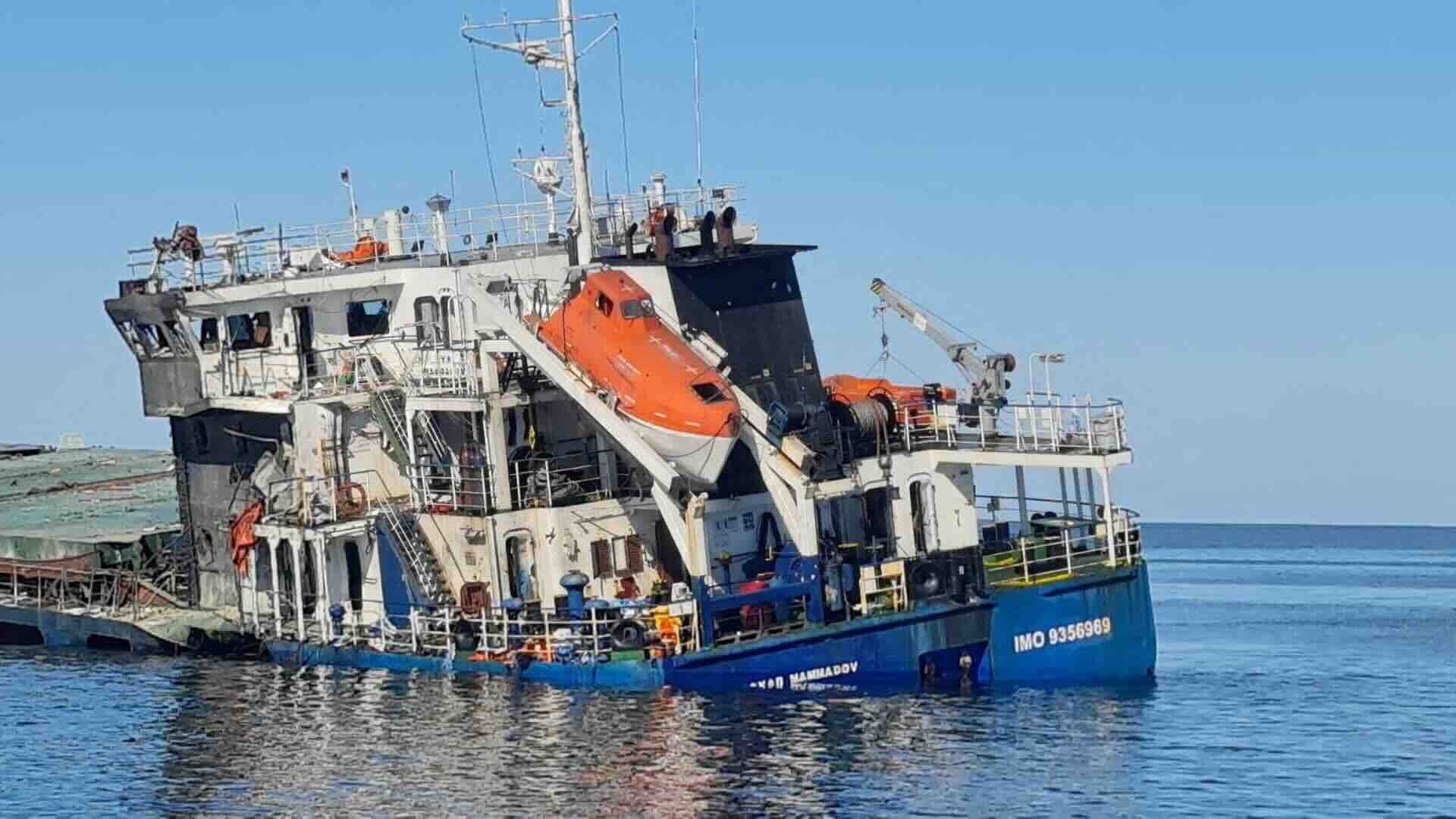
Table of content
1. Article summary
Escalating maritime attacks in the Black Sea are placing increasing pressure on commercial shipping, regional trade routes and global commodity supply chains. The ongoing conflict between Russia and Ukraine has expanded towards waters surrounding NATO members Romania and Bulgaria, raising concerns about vessel safety and the reliability of critical export corridors. According to maritime security data reported by Reuters, 317 merchant and other vessels were struck between May and October 2026, more than four times the 74 recorded during the preceding six-month period.
Recent attacks have targeted commercial vessels operating near important shipping corridors, including routes used to transport Ukrainian exports through Romania. In October, multiple cargo vessels were struck near Romanian and Bulgarian waters, while a Greek container ship was reportedly sunk by naval drones in Bulgaria's exclusive economic zone. In response to the escalating security situation, NATO has announced additional maritime surveillance measures, including patrol aircraft, radar systems and drones, to strengthen monitoring and security across its eastern flank.
The disruption is significantly affecting agricultural exports from both Russia and Ukraine, two major suppliers to international grain markets. Russian grain exports through the Black Sea and Sea of Azov fell to 0.3 million metric tonnes in September 2026, compared with 4.74 million tonnes during the same period in 2025. Ukrainian grain exports through ports also declined, falling from 2.1 million tonnes to approximately 0.81 million tonnes year-on-year. With Ukraine redirecting shipments through the Danube River and Romania's Sulina Canal, pressure is increasing on alternative transport corridors, while concerns grow over potential impacts on global food availability and commodity prices.
2. What shippers should consider
- Increased maritime security risks: Businesses transporting cargo through the Black Sea should remain aware of heightened vessel safety risks, particularly near Ukrainian, Romanian and Bulgarian waters, where recent attacks have affected commercial shipping.
- Disruptions to grain and agricultural exports: Significant reductions in Russian and Ukrainian grain shipments may affect international commodity availability, pricing and procurement strategies, particularly for businesses dependent on agricultural imports.
- Alternative shipping routes: The diversion of cargo through the Danube River, Romanian ports and alternative transport corridors may increase pressure on regional infrastructure, potentially affecting transit times, capacity and logistics costs.
- Freight costs and cargo insurance: Heightened security threats may influence war-risk insurance premiums, vessel availability and freight rates. Shippers should review insurance coverage and assess the potential financial implications of transporting goods through affected waters.
- Global supply chain exposure: Although the immediate disruption is concentrated in Eastern Europe, businesses worldwide may experience indirect effects through changes in grain prices, energy markets and international shipping arrangements.
3. Moving forward
The widening conflict in the Black Sea continues to create significant uncertainty for international maritime trade, with increasing attacks on commercial vessels threatening established shipping routes and critical agricultural export corridors. As NATO strengthens regional surveillance and diplomatic efforts towards a limited maritime ceasefire continue, the outlook for shipping stability remains uncertain. Businesses should closely monitor developments, review their exposure to affected trade routes and maintain flexibility in their freight and procurement strategies. Proactive supply chain planning and access to alternative transport solutions will remain important in managing potential disruptions and protecting supply chain continuity.
For information specific to your freight, customs or supply chain requirements, reach out to United Carriers to discuss what this may mean for your situation.