Aperture & Focus 2026: Week 46
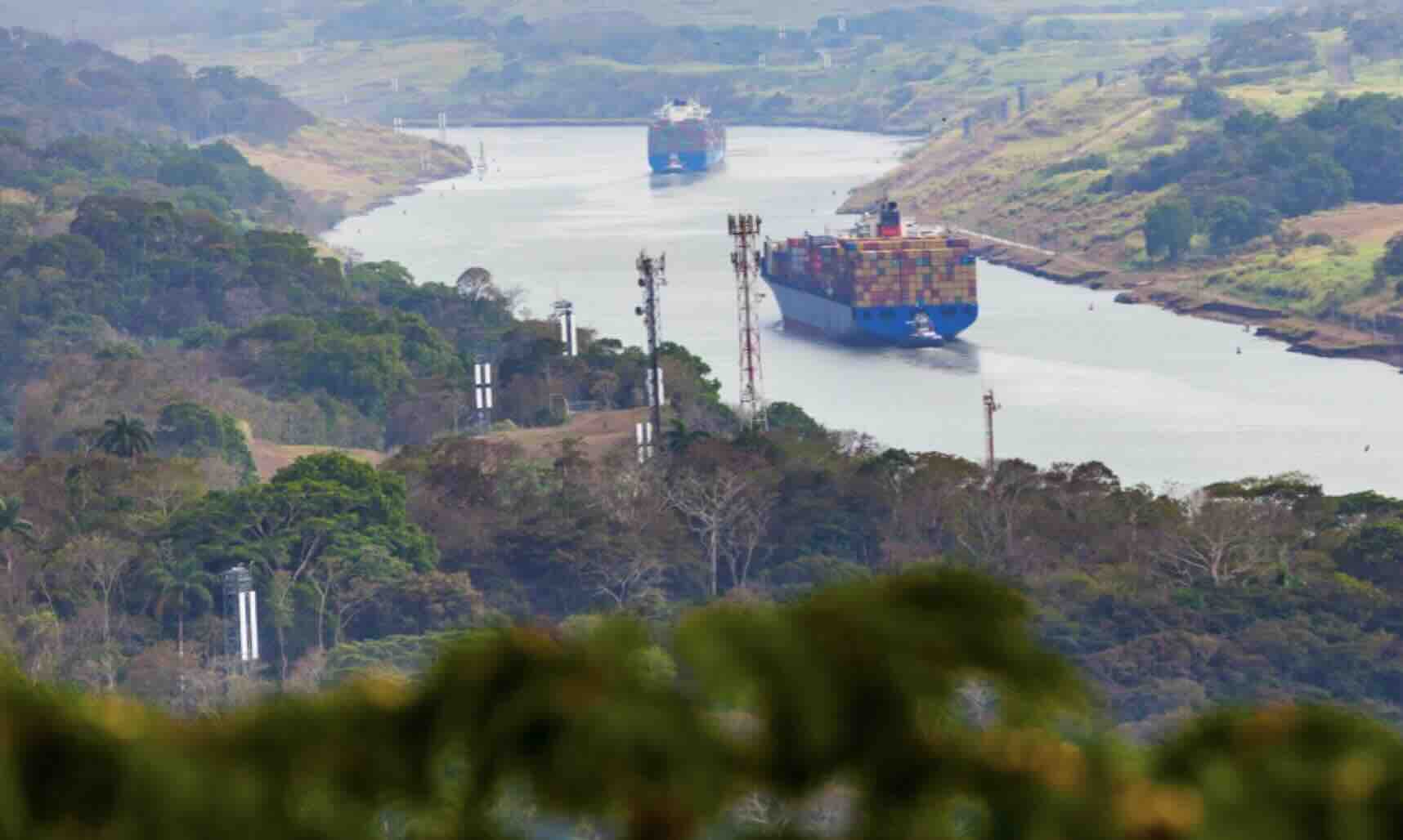
Table of content
1. Article summary
Global supply chains are facing continued operational pressure as increasing air cargo demand, elevated port congestion and regional transport disruptions affect international freight movements. According to Kintetsu World Express' latest market update, global air cargo demand increased 6% year-on-year in October 2026, marking seven consecutive months of growth, while available capacity remained unchanged. Despite the sustained demand, analysts do not anticipate a significant additional peak-season surge, with the potential recovery of Suez Canal services expected to shift some Asia–Europe cargo back to ocean freight from the second quarter of 2027.
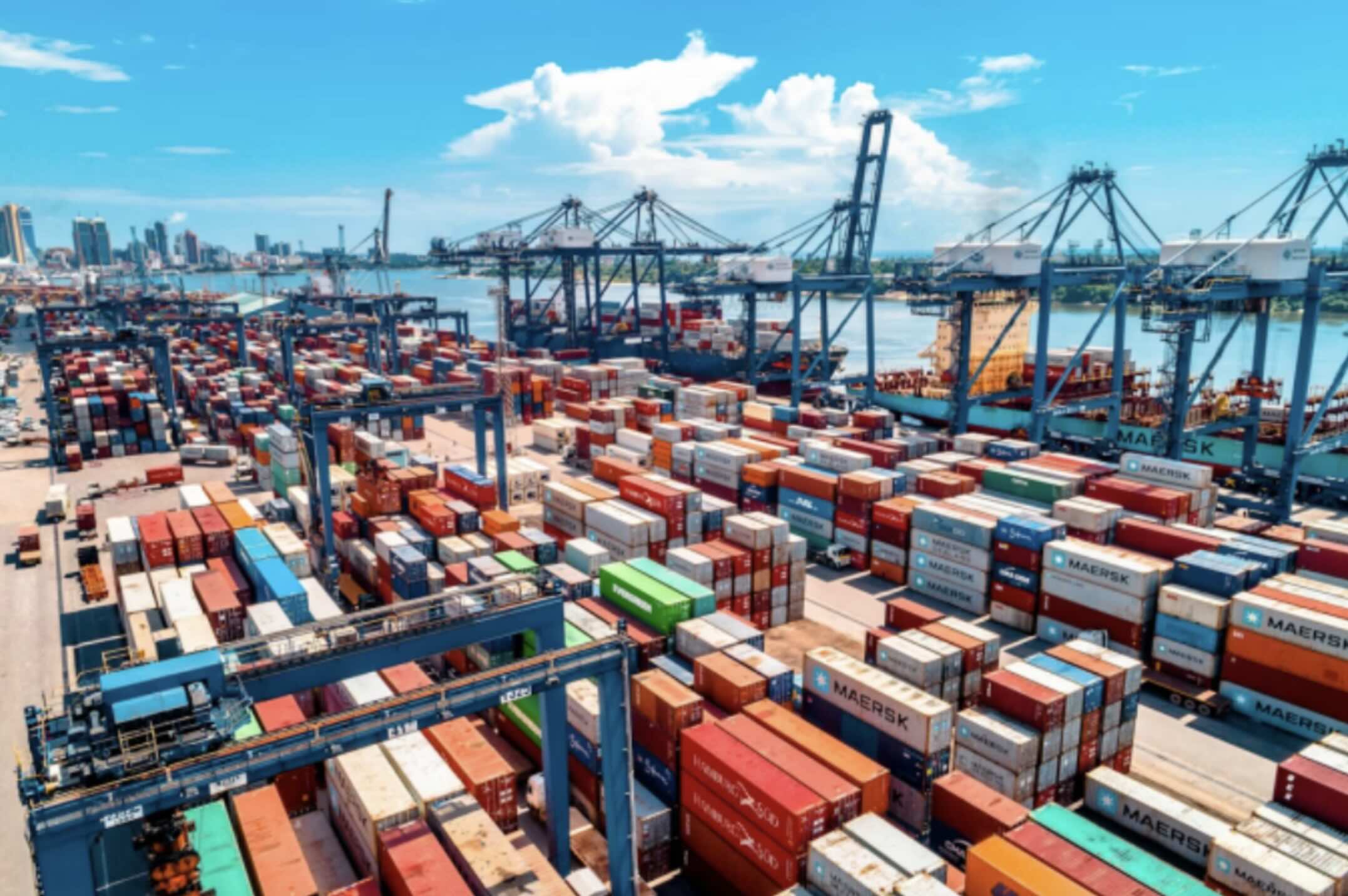
Port congestion remains a concern across several major international shipping hubs. Container terminal utilisation has reached 113% at Tokyo's AOM terminal, exceeded 100% in Yokohama and reached 94% at Rotterdam's ECT terminal, leaving limited capacity to absorb operational disruptions. Meanwhile, the Panama Canal Authority has increased daily transit capacity from 33 to 34 vessels and restored the maximum allowable draft for Neopanamax vessels to 50 feet, providing greater flexibility for shipping lines following earlier drought-related restrictions.
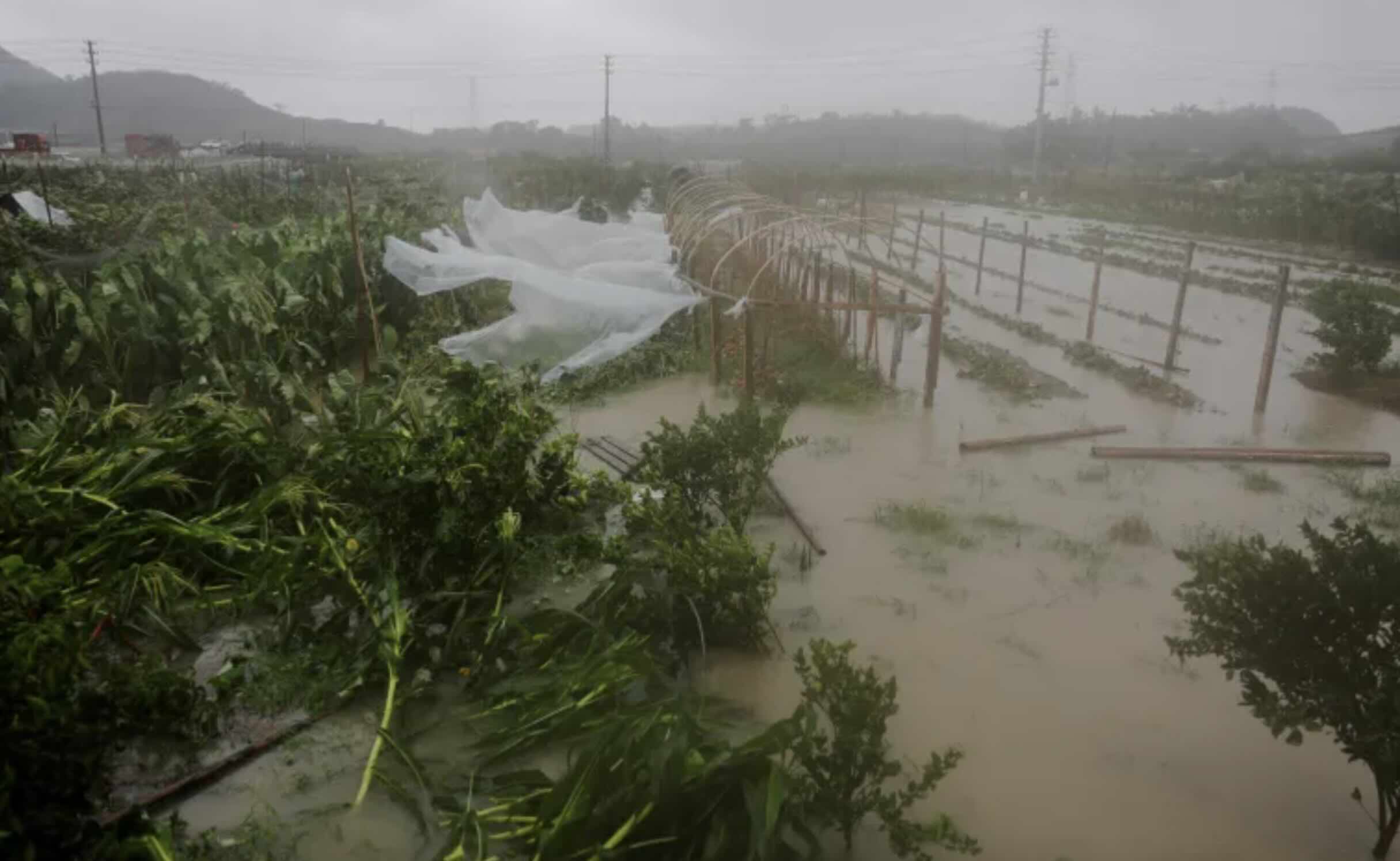
Regional developments are adding further pressure to freight operations. Across Asia-Pacific, Typhoon Champi has contributed to air cargo backlogs at Taiwan's Taoyuan International Airport, while warehouse congestion in Bangkok is delaying shipments of electronics, semiconductors and medical equipment. Shenzhen Airport is also facing temporary cargo restrictions between 16 and 20 November ahead of the APEC summit. In India, disputes over container depot charges are creating uncertainty for importers and exporters. Elsewhere, industrial action at Spanish ports, potential labour disruptions at Los Angeles and Long Beach, and severe weather affecting agricultural exports in South America are highlighting the ongoing vulnerability of international transport networks.
2. What shippers should consider
- Airfreight capacity and delays: Continued growth in global air cargo demand, combined with congestion at major Asian airports, may affect cargo acceptance, available capacity and transit reliability. Businesses moving time-sensitive goods should allow additional time and confirm space availability in advance.
- Port congestion and vessel schedules: High terminal utilisation in Japan and Europe increases the risk of delays following operational interruptions. Shippers should monitor port conditions and consider potential impacts on container availability, cargo collection and vessel connections.
- Asia-Pacific operational disruptions: Cargo restrictions at Shenzhen Airport, ongoing backlogs in Taiwan and Thailand, and disputes over container handling charges in India may affect freight movements across key manufacturing and export markets.
- Industrial action and transport interruptions: Labour negotiations at the Ports of Los Angeles and Long Beach, recent strikes at Spanish ports and transport disruptions in South America could affect cargo handling, inland connections and shipment schedules.
- Trade policy and shipping costs: The United States has extended the suspension of port fees targeting Chinese-built and Chinese-operated vessels until 9 January 2027. Businesses should continue monitoring trade policy developments, while the increased Panama Canal capacity may provide greater scheduling flexibility for ocean freight movements.
3. Moving forward
The latest global freight developments highlight the importance of maintaining flexibility as international supply chains continue to face capacity constraints, operational disruptions and changing trade conditions. While improvements to Panama Canal operations and the potential recovery of Suez Canal services may support greater shipping efficiency, congestion at major ports, airfreight bottlenecks and regional industrial action remain significant risks. Businesses should continue monitoring transport conditions, planning shipments in advance and maintaining close communication with logistics providers to manage costs, minimise delays and support supply chain continuity.
For information specific to your freight, customs or supply chain requirements, reach out to United Carriers to discuss what this may mean for your situation.