China–Australia Ocean Freight: Rates Are Moving Higher — What Importers Should Watch
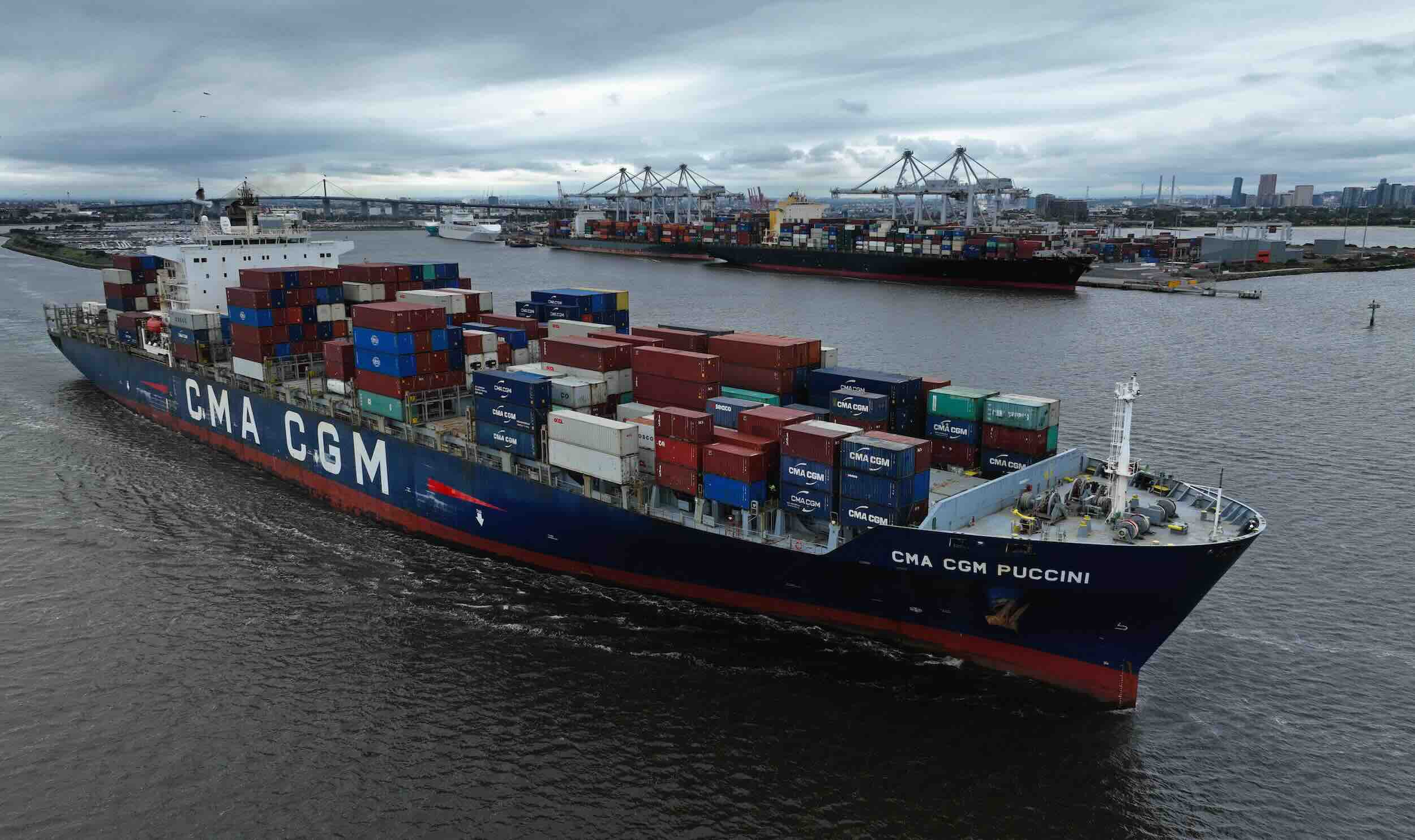
Table of content
1. Article summary
China–Australia ocean freight conditions have tightened through September, with market reporting showing higher freight rates and additional carrier surcharges. Shanghai–Sydney rates were reported at approximately US$5,675–US$6,100 per FEU in Week 38, following consecutive weekly increases.
For Australian importers, however, the impact extends beyond the headline freight rate. Space availability, equipment, sailing reliability and downstream delivery timing are becoming increasingly important considerations when planning shipments. Strong Australian container volumes are also continuing, with the Port of Melbourne reporting 3.52 million TEU in FY2026, its second consecutive record year.
2. What shippers should consider
- Book critical cargo earlier: Securing space ahead of cargo readiness can provide greater certainty when capacity tightens.
- Review carrier and sailing options: Comparing alternative carriers, schedules and routings can help when preferred services are constrained.
- Consider total logistics costs: Base freight rates should be assessed alongside surcharges, port costs, storage, inland transport and potential demurrage or detention.
- Plan around the required delivery date: For project and time-critical cargo, work backwards from the final delivery requirement rather than relying solely on vessel ETAs.
- Monitor the entire supply chain: Supplier readiness, documentation, equipment, customs, port operations, container collection and final-mile transport should be considered as one process.
3. Moving forward
With China–Australia pricing moving higher, importers should focus on end-to-end planning rather than freight rates alone. Assessing supplier readiness, equipment requirements, sailing options, customs, port handling and inland delivery before committing to a freight solution can provide greater visibility of total logistics costs and help identify potential disruption earlier.
For critical and project cargo in particular, planning around the required delivery outcome can help protect timelines as market conditions change.
For information specific to your freight, customs or supply chain requirements, reach out to United Carriers to discuss what this may mean for your situation.

.png)

.jpg)