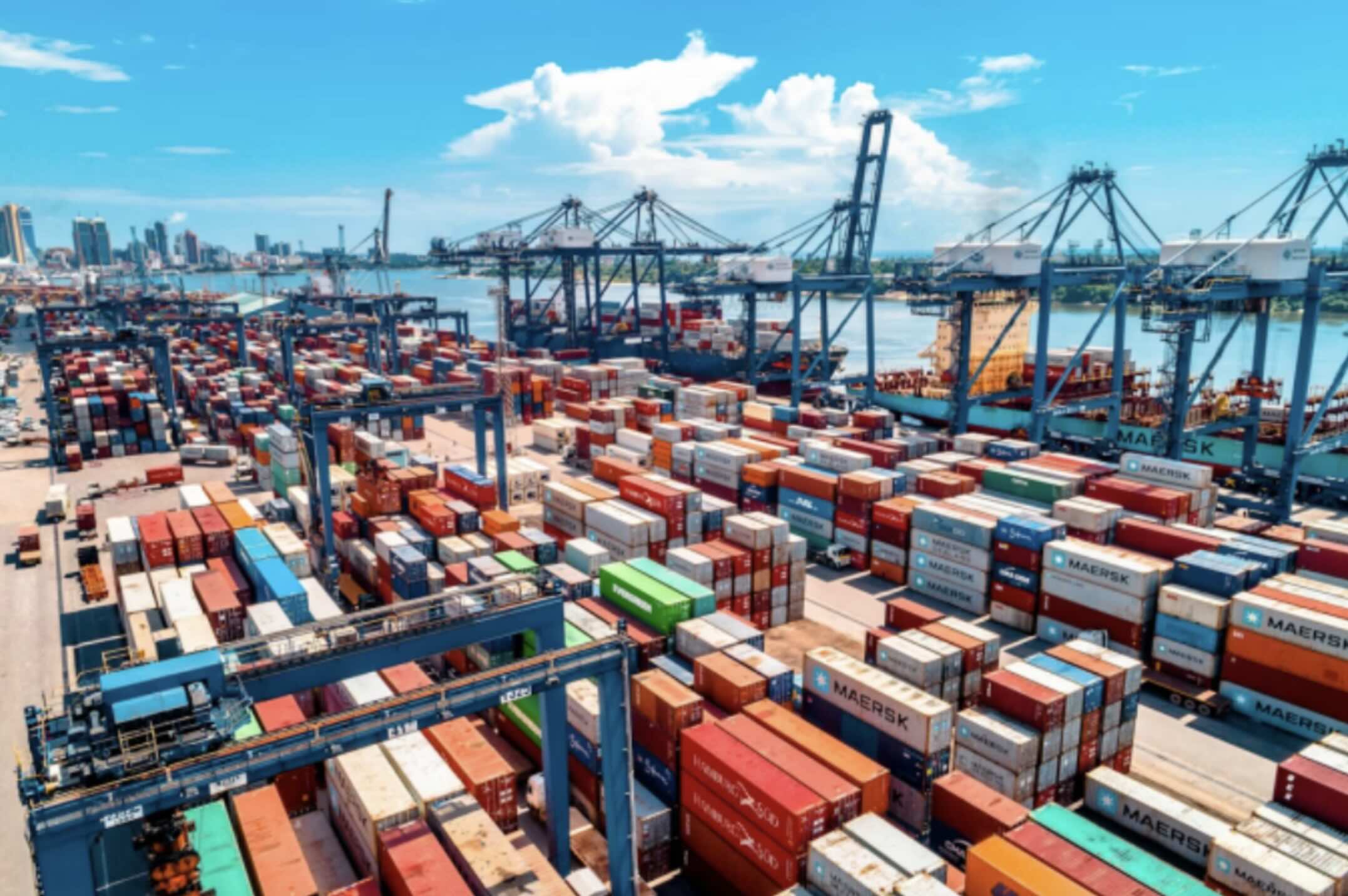
Container freight rates fall as Transpacific weakness deepens

Table of content
1. Article summary
Global container freight rates continue to soften, with Drewry's World Container Index (WCI) falling 3% to US$4,176 per 40-foot container, marking its fourth consecutive weekly decline. The Transpacific market remains under particular pressure, with Shanghai–Los Angeles rates falling 5% to US$7,026 and Shanghai–New York rates declining 9% to US$8,194. Transpacific spot rates have now decreased for seven consecutive weeks.
Carriers are responding to market conditions through capacity adjustments, with ten blank sailings announced for upcoming Transpacific services, compared with four in the preceding week. Despite these measures, Drewry anticipates further rate reductions across the trade lane.
Asia–Europe markets are showing contrasting trends, with Shanghai–Rotterdam rates remaining relatively stable while Shanghai–Genoa rates increased by 6%. Carriers have also announced December Peak Season Surcharges (PSS) ranging from US$1,000 to US$1,600 per 40-foot container, which could place upward pressure on Asia–Europe freight costs in the coming weeks.
2. What shippers should consider
- Potential freight cost savings: Businesses shipping between Asia and North America may benefit from declining spot rates and should review current freight pricing arrangements.
- Reduced vessel capacity: An increase in blank sailings may limit available vessel space and affect scheduling reliability, despite falling freight rates.
- Upcoming peak season surcharges: Businesses shipping from Asia to Europe should factor announced December surcharges into their freight budgets.
- Variations across trade lanes: Declining global freight indexes do not necessarily translate into lower shipping costs across all routes. Businesses should assess pricing specific to their origin and destination.
- Proactive shipment planning: Shippers should continue securing bookings in advance and maintain flexibility in shipment schedules to minimise potential disruptions resulting from carrier capacity adjustments.
3. Moving forward
While declining Transpacific freight rates may present cost-saving opportunities for importers and exporters, the broader ocean freight market remains mixed. Carrier capacity adjustments and upcoming surcharges could influence both freight costs and service reliability in the weeks ahead. Businesses should continue monitoring individual trade lanes, reviewing freight budgets and maintaining close communication with logistics providers to capitalise on favourable market conditions while minimising potential supply chain disruptions.
For information specific to your freight, customs or supply chain requirements, reach out to United Carriers to discuss what this may mean for your situation.